menu

Best Time to Visit the UK in 2026: Month-by-Month Guide

Written by
Victor Kerman
Victor KermanChief Growth Officer
linkedinLinkedIn

Responsible for growth strategy, market expansion, and performance.

Reviewed by
Nick Bakin
Nick BakinFounder
linkedinLinkedIn

Leads Flyer Club's vision, strategic direction, and long-term growth.

0Published:
Summarize with AI
ChatGPT iconChatGPTClaude iconClaudeGrok iconGrokPerplexity iconPerplexity

Best time to visit the UK for US travelers in 2026 — month-by-month weather, daylight, crowds and prices, plus when to book business class to London.

Britain is the one destination I book without checking the forecast first. Not because the weather is good, but because after enough trips you work out that the weather is rarely what makes or breaks a trip here. The calendar is. Get the month right and the same country you were warned about turns into somewhere you keep going back to.

I learned that the expensive way. I booked Scotland in August once, on the reasoning that August is summer and summer is when you go. Edinburgh had roughly doubled in population for the Fringe, the hotel cost more than the flight, and when I escaped north to the Highlands for the quiet I spent three days being eaten alive by midges I had never heard of.

I went back at the end of September. Same glens, empty. Stags roaring across the hillsides during the rut, bracken turning copper, not a midge anywhere, and a room at a fraction of what August had cost. Nobody had told me, because most guides to Britain are organized around the assumption that summer is the answer.

In the UK it usually is not.

Short answer: May to June, or September to early October.

The honest answer to “when to visit the UK” is May to June and September to early October. These are the months with the driest weather, the longest usable daylight, and crowd levels well below the July and August school holidays that set the peak. For US travelers adding business class flights to the UK to the trip, the same window sits outside the transatlantic summer surge, which makes the timing argument work twice.

Key facts

  • The best time to visit the UK is May to June or September to early October.
  • UK school holidays run from mid-July to early September and set the peak for both prices and crowds.
  • London averages 23 inches of rain a year — less than New York (47 inches). Source: Met Office.
  • Daylight hours swing from 16.5 in June to under 8 in December in London, and from 17.5 to under 7 in Edinburgh.
  • Midges in Scotland are active from late May through September, which is why late September is the strongest Highland window.
  • Business class from the US runs from $1,741 round-trip through consolidator access. Source: Flyer Club consolidator data, September 2026.

One note on names before we go further, because getting them wrong is a quick way to irritate someone in Cardiff or Glasgow. The United Kingdom is England, Scotland, Wales and Northern Ireland. Great Britain is the island holding the first three. England is one country within it, not a synonym for the whole thing, even though a lot of American travelers searching for the best time to visit England mean the entire country. This guide uses whichever name is actually accurate in the moment: England where the advice applies to England, the UK where it applies more widely. Scotland and Wales have genuinely different seasons and get their own sections below, and there is a short note on Northern Ireland at the end of the Wales section.

What follows is the full picture, month by month and region by region, along with the booking windows that matter if you are flying up front.
The Short Answer: When to Visit the UK

Period Weather Crowds Business Class Price (US) Verdict
March to April Cool (44 to 57°F), changeable, brightening fast Low, with an Easter spike $2,000 to $2,700 Good value; avoid the Easter fortnight
May to June Mild (55 to 69°F), driest months, longest light Moderate $2,500 to $3,300 Best overall: weather, daylight and gardens all peak
July to August Warm (58 to 73°F), humid in London Peak, UK school holidays $3,000 to $4,000 Busiest and most expensive; book 4 to 5 months ahead
September to October Mild (49 to 67°F), autumn color, more rain Dropping sharply from early September $1,950 to $2,600 Best value with good conditions
November to February Cold (39 to 51°F), short days Very low outside Christmas $1,741 to $2,200 Cities excellent; countryside limited by daylight

Rates are round-trip, business class, per person, USD via consolidator. Source: Flyer Club consolidator data, September 2026.

UK Weather Month by Month: Temperature, Daylight and Crowds

The UK has no dry season and no reliably hot one: May, June and September are the driest, brightest months, and the rest of the calendar is decided by daylight rather than rain.

Before the table, the myth that costs American travelers the most money.

England does not get much rain. Central London averages roughly 23 inches a year (Met Office 1991–2020 averages). New York averages about 47 inches (NOAA), on more rainy days. Rome, Sydney and Miami are all wetter than London. What England gets is frequent light rain spread thinly across the calendar, which produces a lot of gray afternoons and very few washed-out weeks.

The west of the UK is a different story, and an honest one: the Lake District, the Welsh mountains and the west coast of Scotland are genuinely wet, and the sections below say so. But those are three specific places, not a national climate.

So rainfall is not the variable that should decide your dates. Daylight is. A June day in London runs about sixteen and a half hours; a December day runs under eight. In Edinburgh the swing is wider still, from roughly seventeen and a half hours in June to under seven in December (Royal Museums Greenwich sunrise and sunset data). That difference decides how many castles, gardens, coast roads and villages you can physically fit into a day, and it is why the same trip in June and in December is not the same trip at all.

Month Avg Temp (London) Daylight (London) Crowds Notes
January 39 to 46°F 8 hrs Very low Cheapest month; London theater and museums at their best
February 39 to 47°F 10 hrs Very low Half-term week is busy; Six Nations rugby fills Cardiff and Edinburgh
March 41 to 51°F 12 hrs Low Daffodils, brightening days; countryside still bare
April 44 to 57°F 14 hrs Low to moderate Easter fortnight books out; gardens begin
May 50 to 63°F 15.5 hrs Moderate Often the driest and sunniest month; bluebells and wisteria
June 55 to 69°F 16.5 hrs Moderate to high Longest days of the year; peak garden season
July 59 to 73°F 16 hrs Peak School holidays begin mid-month; coast and Lakes fill
August 58 to 72°F 14.5 hrs Peak Busiest month; Edinburgh Fringe; highest prices
September 54 to 67°F 13 hrs Dropping fast Best value month; warm sea; crowds gone after week one
October 49 to 59°F 11 hrs Low Autumn color; wetter; daylight noticeably shorter
November 43 to 51°F 9 hrs Very low Bonfire Night; Christmas markets open late in the month
December 40 to 47°F Under 8 hrs Low, then a Christmas spike Cities festive; rural touring is difficult in the dark

London weather by month — average temperature, daylight hours and crowd levels.

Read the daylight column alongside the crowd column and the shape of the year becomes obvious. The UK has one window where light and weather peak together in May and June, and a second where value and conditions overlap in September. What follows is how that plays out across the six regions US travelers actually ask us about.

London: The Best Time to Visit, Month by Month

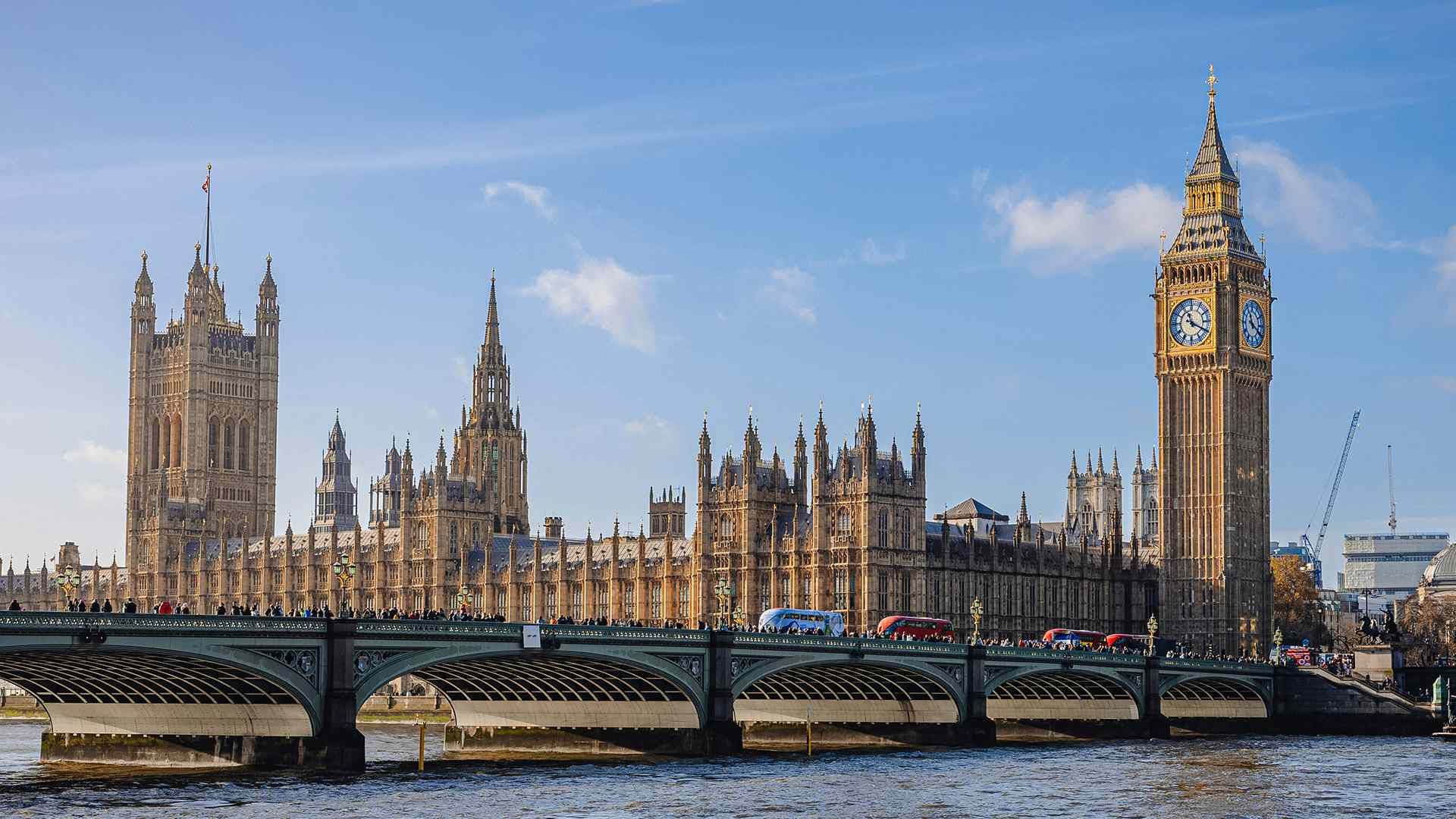
The Houses of Parliament and Big Ben across the Thames — the best time to visit London

The best time to visit London is May, June, September or October — and January to early March for the lowest prices. London is the most weather-proof destination in Britain, which is precisely why it does not follow the same rules as the rest of the country. Almost everything worth doing in London works in the rain, and a good deal of it is free. The British Museum, the National Gallery, Tate Modern and the V&A all charge nothing for their permanent collections, which changes the economics of a wet afternoon considerably.

Best months: May, June, September, October. May and June give you long evenings, which matter more in London than people expect: the parks stay usable until nine, the river walks work after dinner, and the pub gardens that define a London summer are actually pleasant. September and October give you the same city with fewer visitors and lower hotel rates, plus the start of the theater and gallery season, which is when the interesting work opens.

London in September is the single best month of the year in the city: weather in London in September holds at 54 to 67°F, hotel rates drop, and the theater season opens. What to avoid: the last two weeks of July and all of August — London in August is the most expensive month of the year — on price rather than weather. This is when UK school holidays, European visitors and American summer travel land at once.

The Underground has almost no air conditioning on the deep lines, and a humid London August on the Central Line is a genuine experience. The other period to price carefully is the fortnight around Christmas, when the city is lovely and the hotels know it.

The winter case: London from January to early March is the best value city break in Western Europe and one of the few places where low season costs you almost nothing in quality. The best time to go to London for value is January and February. West End theater runs year-round, restaurants are bookable, museums are quiet, and business class flights to London are at their annual floor — January and February are the cheapest months to fly to London from the US in any cabin. The only real loss is daylight, and London is a city you can enjoy after dark.

Every regional trip below starts from London or connects through it, so these dates stack on top of everything that follows.

The Cotswolds and Bath: May, September and the Days to Avoid

The best time to visit the Cotswolds and Bath is May or September, mid-week rather than at the weekend. The Cotswolds are where Americans go to find the England they have already pictured, and the image holds up better than most. Honey-colored limestone villages, dry stone walls, sheep, a pub with rooms. What the pictures do not convey is that the whole area is one hour and forty minutes from London by car, which means it is fully accessible to day-trippers and behaves accordingly.

Best months: May and September. May is the moment the Cotswolds earn their reputation: wisteria over stone, bluebells in the beech woods, and gardens at Hidcote and Kiftsgate at full strength. September gives you the same villages with harvest light, warmer stone and half the traffic.

What to avoid: summer weekends, more than summer generally. The villages that appear on every list, Bibury, Bourton-on-the-Water, Castle Combe, are small enough that a hundred cars overwhelms them. Visiting Tuesday to Thursday changes the experience completely, and staying overnight changes it again, because the day-trip traffic clears by six.

Bath specifically: the Roman Baths and the Georgian crescents are compelling year-round, and the city is walkable in any weather. Its Christmas market from late November into December is genuinely good and genuinely crowded, so book accommodation months out or visit on a weekday.

Suggested stay: three nights, based in one village rather than moving. The distances are short and the pleasure is in not driving.

Cornwall and the Southwest: When the Sea Is Warmest

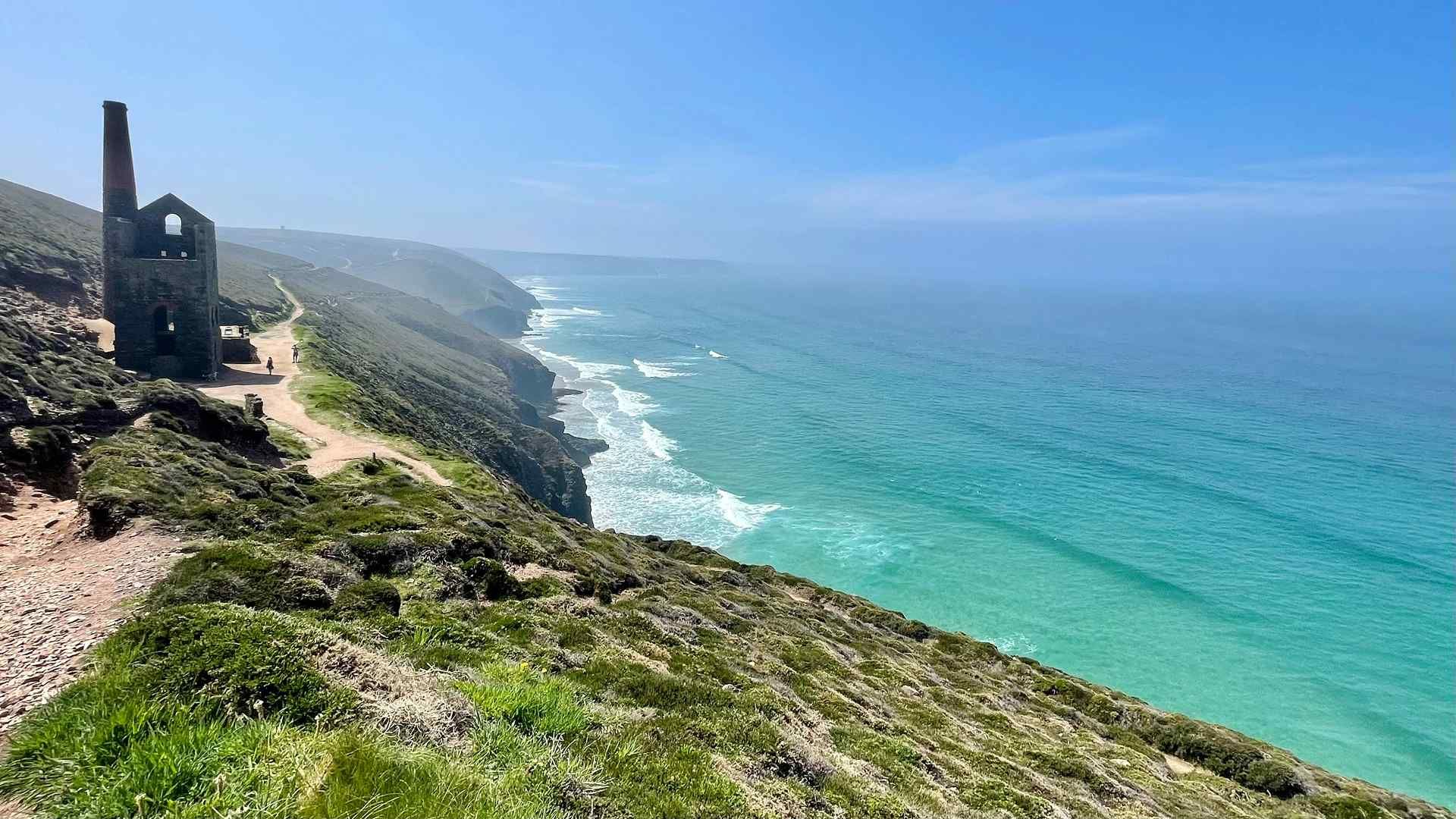
The South West Coast Path above the Cornish coast in early September

The best time to visit Cornwall is late May, June or September — the sea is at its warmest in early September, not July. Cornwall is the closest thing England has to a beach destination, and it has the seasonal behavior to match. In July and August the A30, the single road carrying most of the county’s traffic, becomes a parking lot on Saturdays, restaurants in Padstow and St Ives book out weeks ahead, and the parking at the best beaches fills before ten in the morning.

Best months: late May, June and September. The sea here follows the same rule as the Mediterranean: it lags the air by about two months, so it reaches its warmest in early September, not July. It is not warm by Greek standards, running around 62°F at its peak (Met Office coastal sea-surface temperatures), but that is the difference between a swim and a dare, and it arrives exactly when the crowds leave.

What to avoid: the six weeks from mid-July to the end of August, unless the trip is built around children. Everything is open, everything is full, and everything costs more.

The autumn case: September and October are the surfing season in Cornwall, when Atlantic swells build and the water is still holding summer warmth. The coast path walking is at its best in the same window, and the seafood restaurants that made the county’s reputation are easier to get into.

Suggested stay: four nights minimum. Cornwall is further from London than it looks, roughly five hours by road or four and a half by train to Penzance, and it does not reward a rushed visit.

The Lake District and Yorkshire: Timing Around the Rain

The best time to visit the Lake District is May, June or October, and Yorkshire works as the drier alternative. The Lake District is the wettest corner of England and the one where timing does the most work. Some fells in the central Lakes record well over 100 inches of rain a year (Met Office), roughly four times London’s total, concentrated in autumn and winter. This is the region where the daylight column in the table above stops being interesting and starts being operational.

Best months: May, June and October. May and June combine the driest part of the year with sixteen hours of light, which is what makes a full day on the fells possible. October brings the bracken and larch color that photographers come for, at the cost of shorter days and a real chance of rain.

What to avoid: August, when the school holidays fill every lakeside town and the single-track roads around Buttermere and Wasdale become an exercise in reversing. Midges are present here too from June through August, though nothing like the Scottish scale.

Yorkshire alongside it: the Dales and the North York Moors are drier, quieter and less than two hours east, with the heather on the moors flowering in August and York itself working year-round. If the Lakes look booked out, this is the substitution to make.

Suggested stay: four nights, and build in one spare day. Weather here moves fast enough that a flexible day is worth more than an extra fixed one.

Scotland: The Best Time to Visit, and Why September Wins

The best time to visit Scotland is late May, or mid-September through October — late September is the single strongest window, because the midges have gone and the stag rut has started. Scotland is where the seasonal advice diverges most sharply from the rest of Britain, for two reasons that have nothing to do with temperature.

The first is daylight, and the swing is extreme. Midsummer in the Highlands gives you light from before four in the morning until nearly eleven at night, which makes a single June day feel like two. Midwinter gives you barely seven hours, and less in the far north, which effectively closes the touring routes.

Midges in Scotland: When They Are Worst

The second is midges. The Highland midge is active from roughly late May through September, worst in June, July and August, and concentrated on the west coast and in still, damp conditions. This single fact reorganizes the calendar: the months that look best on paper are the months when a Highland evening outdoors can be unbearable.

Scotland weather by month tracks the English calendar for temperature and diverges completely for everything else, so treat the two as separate trips. Best months: late May, and mid-September through October. Late May gives you near-peak daylight before midge season fully starts. Late September and October give you the stag rut, autumn color across the glens, the first snow on the Cairngorms, and no midges at all. Of the two, September is the one we book most — it is also the best time to visit Scotland to avoid crowds, because the Scottish school holidays are already over.

A scheduling detail worth knowing: Scottish schools do not follow the English calendar. They break up in late June and return in mid-August, roughly three weeks ahead of England and Wales. So the Highlands fill earlier and empty earlier, and the last two weeks of August are quieter in the glens than they are anywhere south of the border.

The best time to visit Edinburgh is May, June or late September — with one month to plan around. Edinburgh in August: the Edinburgh Fringe and the Military Tattoo run through most of August and effectively double the city’s population. Accommodation rates multiply rather than rise, restaurants require booking, and the whole city becomes a festival. If you want that, go deliberately and book six months ahead. If you do not, August is the one month to keep Edinburgh out of your itinerary entirely.

The winter case: Hogmanay in Edinburgh is one of the great New Year celebrations anywhere, and the far north offers a genuine chance of the northern lights between October and March on clear nights. Both are trips for people who accept that the daylight is gone by four.

Suggested stay: five nights minimum if the Highlands are involved. Scotland’s distances are deceptive and the roads are slow by design.

Wales and Northern Ireland: When the Mountains Clear

A ridge in Eryri (Snowdonia) with the summit clear of cloud in May

The best time to visit Wales is May, June or September, and May is the driest month in the mountains. Wales is the least visited part of Britain by American travelers and, per mile driven, arguably the most rewarding. It is also the wettest: parts of Eryri, the national park still widely known as Snowdonia, record some of the highest rainfall totals in the UK.

Best months: May, June and September. May is reliably the driest month and the one that makes the mountains usable. September brings settled spells, empty beaches on the Pembrokeshire coast, and a Gower Peninsula that has stopped being a car park.

What to avoid: August in the national parks, and any Six Nations rugby weekend in Cardiff between February and March, when the city fills entirely and hotel rates behave accordingly. If you are traveling for business in Cardiff in late winter, check the fixture list before you check availability.

Timing detail worth knowing: climbing Yr Wyddfa, the mountain most Americans know as Snowdon, is a genuinely different proposition in May than in October, not because of temperature but because of daylight and cloud base. The summit is in cloud a majority of days in the year. May and September give you the best odds of a clear one.

Suggested stay: three to four nights, usually paired with the Cotswolds or Bath rather than visited alone.

A note on Northern Ireland: it is the fourth country of the UK and the one most American itineraries skip, usually because it needs its own flight or a long drive from Dublin.

Its calendar tracks western Scotland closely: mild, wet, Atlantic, with May through September the usable window and the same long summer evenings. The Giant’s Causeway and the Antrim coast road are at their best in June and September, and Belfast works year-round. If you are already going to Scotland, it is a short hop from Glasgow rather than a separate trip.

Shoulder Season: Why May and September Beat Summer

The UK shoulder seasons are May into June and September into early October — the two windows with the best combination of weather, daylight, crowds and airfare. Almost everyone who visits the UK more than twice ends up in the same two windows. The shoulder season, May into June and September into early October, is where the country delivers what it promises:

  • Weather: the driest stretch of the year falls in spring, and September routinely produces the most settled week of the season. Shoulder months average 55 to 69°F, warm enough for the coast and comfortable for walking all day
  • Daylight: fourteen to sixteen and a half hours of usable light, against under eight in December. This is the single largest practical difference between a good and a poor month in the UK
  • Crowds: UK school holidays run mid-July to early September, and they dictate the entire peak. Move either side of them and the same villages, fells and coast roads empty out
  • Price: hotel rates outside London fall sharply once the school holidays end, and business class fares from the US sit below the transatlantic summer surge

The UK in May: The Driest Month and the Longest Light

May is the month locals quietly recommend. It is frequently the driest and sunniest month of the British year, it delivers over fifteen hours of daylight, and it is the peak of the garden season in a country where gardens are a serious cultural institution rather than a pleasant extra. The Chelsea Flower Show falls in late May, the bluebell woods are at their best in the first half of the month, and the wisteria that draws photographers to Notting Hill and the Cotswolds arrives with it.

Weather in London in May averages 50 to 63°F, and what to wear in London in May is a layer and a light rain jacket rather than a coat. The catch is the two bank holiday weekends, at the beginning and end of the month, and the school half-term week that follows the second one. Those three periods behave like peak season. Everything between them does not.

The UK in September: Value Without the School Holidays

September is the value answer, and the drop-off is abrupt rather than gradual. UK schools return in the first week, and by the second week the coast, the Lakes and the Cotswolds have emptied. The weather holds better than its reputation: early September is often the most settled stretch of the whole year, the sea around Cornwall is at its annual warmest, and Scotland has become midge-free. Weather in Scotland in September runs 48 to 60°F, so what to wear in Scotland in September is layers and a waterproof shell — Scotland in September is a walking month, not a beach one.

Daylight is the trade-off. Thirteen hours in September is comfortable but noticeably less than June’s sixteen and a half, and by the end of October you are down to eleven. If your trip is built around driving between places, September is materially better than October for exactly that reason. The same shoulder-season logic runs across Europe — our guide to the best time to visit Greece shows how the Mediterranean calendar compares.

When to Book Business Class Flights to the UK from the USA

Business class to the UK should be booked 3 to 4 months ahead for May and June, 4 to 5 months for July and August, and 60 to 90 days ahead for September and October. Timing the trip is half of it. Timing the booking is the other half. The fare bands are in the first table at the top of this guide; what changes below is when you need to act on them.

Travel Period Lead Time Book By What Drives It
March to April 60 to 90 days December to January The Easter fortnight is the only real constraint; the rest of the window stays open
May to June 3 to 4 months January to March Strongest demand of the year after peak summer, and the best seats go first
July to August 4 to 5 months February to March Peak. Premium cabins fill earlier here than in any other season
September to October 60 to 90 days June to August Fares sit near the annual floor while conditions are still good, so inventory moves fast
November to February 30 to 60 days September to January Lowest fares of the year, and booking earlier rarely improves them

London is the busiest premium transatlantic market in the world, which works in your favor. Heathrow alone has nonstop service from more than twenty US cities, several of them served by three or four carriers competing on the same route on the same day. That depth of competition means more consolidator inventory and shorter practical booking windows than a thinner market like Athens or Lisbon. The rules behind these windows are in our guide to when to book business class, and the fare mechanics in cheap business class flights to Europe.

One structural quirk worth knowing. The UK levies Air Passenger Duty on departures from UK airports, and the premium cabin rate is among the highest aviation taxes anywhere. It is built into your fare on the homeward leg, which is why a UK-originating business class ticket can look strangely expensive next to the same itinerary sold from the US. For a round trip starting in America this is priced in and not something you can avoid, but it does explain a pricing pattern that confuses a lot of travelers.

Business Class to the UK: Airlines and Prices

Six airlines fly business class from the US to London, five of them nonstop to Heathrow, with consolidator rates from $1,741 round-trip. Unlike most European destinations, Britain is a nonstop market first. Almost every major US gateway has direct service to Heathrow, and Edinburgh, Manchester and Dublin add useful alternatives.

Airline Route Type US Gateways Business Class Product Consolidator Rate (RT)
British Airways Nonstop to LHR JFK, BOS, ORD, LAX, MIA, IAD, DFW, SEA, PHX and more Club Suite (door every seat) From $1,741
Virgin Atlantic Nonstop to LHR JFK, BOS, IAD, ATL, MIA, MCO, TPA, LAS, LAX, SFO, SEA Upper Class (Retreat Suite on A330neo) From $1,741
American Airlines Nonstop to LHR JFK, PHL, ORD, DFW, MIA, LAX, CLT Flagship Suite / Flagship Business From $1,795
Delta Nonstop to LHR JFK, BOS, ATL, DTW, MSP, SEA, LAX Delta One Suite (closing door) From $1,895
United Nonstop to LHR EWR, IAD, ORD, SFO, LAX, IAH, DEN Polaris From $1,850
Aer Lingus Via Dublin, US preclearance JFK, BOS, ORD, SFO, IAD, MCO, SEA Business Class (A330 / A321XLR) From $1,750

Rates as of September 2026, round-trip, business class, per person. Route maps change seasonally, so confirm service on your dates.

The two products most US travelers choose between are British Airways and Virgin Atlantic, and they are genuinely different: BA has the taller privacy door and the wider US network, Virgin the longer bed, The Loft and the Clubhouse at Heathrow. Both are broken down seat by seat in our British Airways Club Suite review and Virgin Atlantic Upper Class review, and ranked against the rest of the continent in best business class airlines to Europe.

Two routings deserve a note. Edinburgh has its own nonstop service from the US East Coast, mostly seasonal from spring to autumn, and flying in there rather than connecting through Heathrow saves the better part of a day on a Scotland trip. And Aer Lingus via Dublin carries an advantage no other option offers: US preclearance in Dublin means you clear American immigration and customs before boarding the homeward flight, then land in the States as a domestic arrival. On a tight connection back home, that is worth more than the seat.

The wider trade-off is the reverse of most European markets. A nonstop to Heathrow is usually both the fastest and the most competitively priced option, so the reason to consider a connection is a specific seat you want or a regional airport you would rather land at. Which one applies is the first thing we ask about on a quote.

What We Recommend for US Travelers

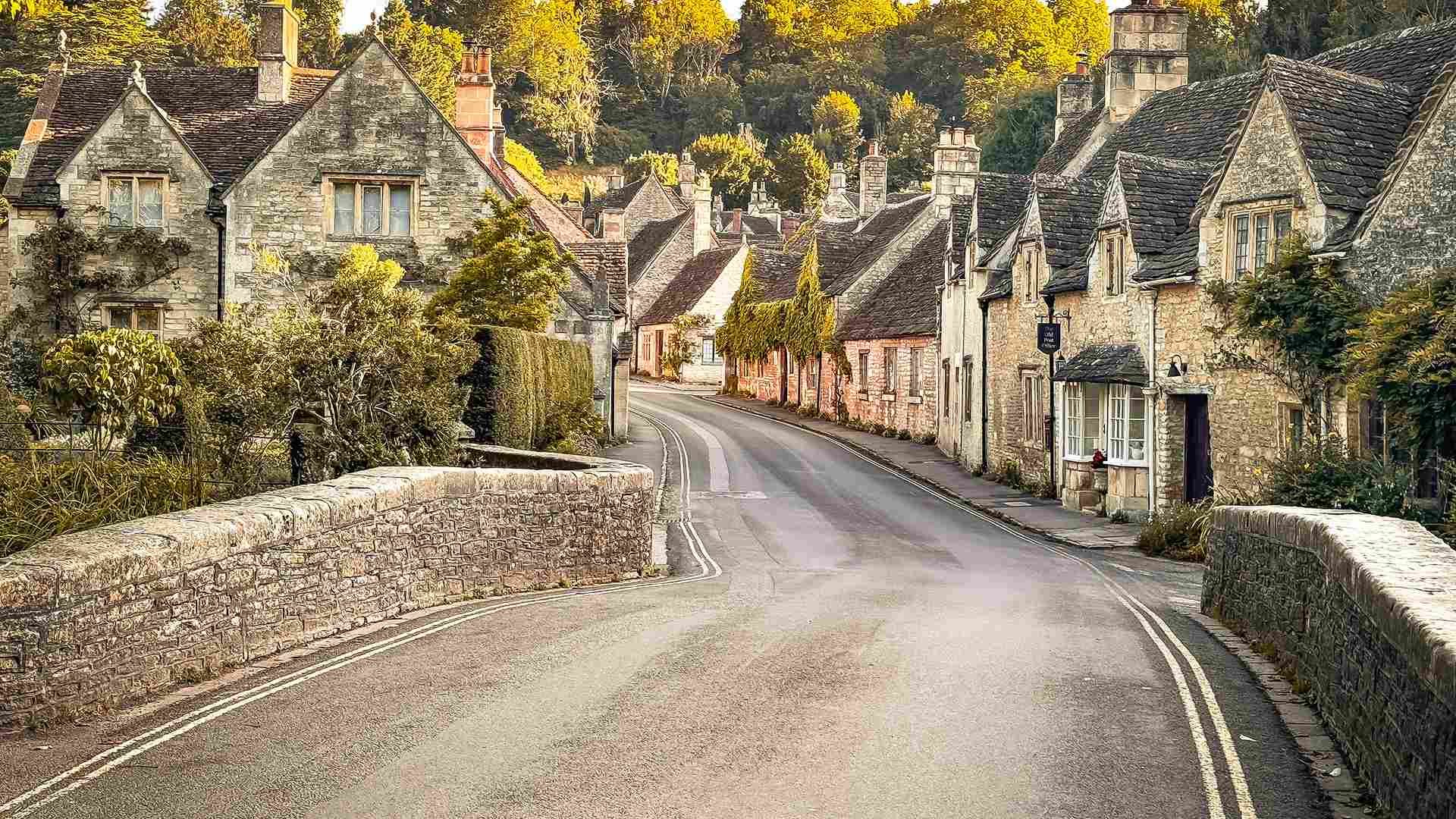
An empty English village lane at golden hour in late September

For a first trip to the UK, late May or the second half of September is the strongest choice. For first-time visitors planning England and Scotland in one trip: travel in late May or the second half of September. You get the longest usable days of the year in one and the best value in the other, and both sit clear of the UK school holidays that create the peak. London, the Cotswolds and either Bath or Oxford is the classic ten-day shape, and it works in both windows.

For Scotland: late September. The stag rut is underway, the glens have turned, the midges have gone, and Edinburgh has recovered from the Fringe. This is the trip that changes people’s opinion of Britain, and August is the month that ruins it.

For a city-only trip: January to early March. London has the lowest business class fares of the year, the best theater season, quiet museums and bookable restaurants. Add Edinburgh or Manchester on the train and the whole trip costs less than a summer week in the Cotswolds.

For business travel: September through November and February through April are the strongest working months in the UK calendar. August is the weakest, with much of London out of the city, and mid-December through early January is effectively closed. A Thursday and Friday of meetings in London extends easily into the Cotswolds, Oxford or Edinburgh for the weekend.

The UK does not have one best season. It has a long light half of the year and a short dark half, and the trick is matching your trip to the right one. Countryside, coast and mountains need the light. Cities, theater, museums and food do not, and cost far less without it. Decide which trip you are taking, then sort the flights early, because the shoulder months are exactly when everyone else who has figured this out is also booking.

For current rates and availability on your specific dates, see business class flights to the UK or get a free quote from Flyer Club. We will confirm the specific airline, aircraft, and consolidator rate on your route. Get a Free Quote →

Frequently Asked Questions

What is the best time to visit the UK?

May to June and September to early October. These months combine the driest weather of the British year, fourteen to sixteen hours of daylight, and crowd levels below the July and August school holiday peak. The same answer holds for England, Scotland and Wales, with one important exception: the Scottish Highlands are better in late September than in June, because midge season runs from late May through September.

When should I avoid visiting the UK?

Mid-July through the end of August, when UK school holidays drive the peak in prices and crowds, especially in Cornwall, the Lake District and the Cotswolds. The Easter fortnight and the Christmas fortnight are the other two periods when accommodation prices spike sharply.

Does it really rain all the time in England?

No, and this is the most persistent myth about British travel. Central London averages roughly 23 inches of rain a year (Met Office), against about 47 inches in New York (NOAA), on fewer rainy days than Miami. England gets frequent light rain rather than heavy rain, so you should plan for gray afternoons rather than washed-out weeks. Daylight hours matter far more to your itinerary than rainfall does.

What is the best month to visit London?

May, June, September or October. May and June give you the longest evenings and the parks and river walks at their best. September and October bring lower hotel rates and the opening of the theater and gallery season. For pure value, January and February are unbeatable, with the lowest business class fares of the year and no real loss in what the city offers.

What is the best time to visit Scotland?

Late May, or mid-September through October. Late May gives you near-peak daylight before midge season starts properly. Late September and October give you the stag rut, autumn color and no midges at all, with the added advantage that Edinburgh has emptied after the August festivals.

When is the Edinburgh Fringe and should I plan around it?

The Edinburgh Fringe festival and the Royal Edinburgh Military Tattoo run through most of August, and together they roughly double the city’s population. Accommodation rates multiply rather than simply rise, and rooms go months in advance. Go deliberately and book six months out, or keep Edinburgh out of an August itinerary entirely. Dates shift slightly each year, so confirm with the organizers.

What are midges in Scotland and when are they worst?

The Highland midge is a small biting insect active from roughly late May through September, at its worst in June, July and August. It concentrates on the west coast and in still, damp conditions, particularly at dawn and dusk. It is the main reason experienced visitors prefer late September and October for the Highlands, when midges have gone but the color and the daylight are still there.

What is the best time to visit the Cotswolds?

May and September, and mid-week rather than at the weekend. May brings wisteria, bluebells and the gardens at full strength; September brings harvest light and far less traffic. The best-known villages are small enough that weekend day-trip volumes overwhelm them, so staying overnight and traveling Tuesday to Thursday changes the experience more than the month does.

How many daylight hours does the UK get in winter?

London gets under eight hours in late December, sunrise around 8am and sunset just before 4pm. Edinburgh gets under seven. This is the single biggest constraint on a winter trip: cities work well in the dark, but driving tours of the countryside, coast and mountains do not.

Is the UK expensive in September?

Considerably less expensive than July and August, though not as cheap as January and February. Rates outside London drop sharply once UK schools return in the first week of September, which is why the second week onward is the value sweet spot. London itself is less seasonal than the rest of the country, so the savings show up more clearly on a countryside trip.

How many days do you need in London?

Four full days covers the major museums, two or three neighborhoods and one day trip. Five to six days is the comfortable version and leaves room for theater and a second day trip to Oxford, Bath or the Cotswolds. Under three days you are choosing between neighborhoods rather than seeing the city.

How many days do you need in Scotland?

Five nights is the minimum if the Highlands are involved: two in Edinburgh and three on the road north. Seven to ten nights adds Skye or the far northwest without turning the trip into a driving schedule. Scottish distances are short on the map and slow in practice.

Is October a good time to visit Scotland?

Yes, October is one of the two best months. The midges have gone, the glens have turned, the stag rut is underway and accommodation prices have dropped. The trade-off is daylight: eleven hours at the start of the month and under nine by the end, which limits how far you can drive in a day. April and March work too, with fewer crowds but bare hillsides and a real chance of snow on the passes.

Is Scotland worth visiting if you only have a week in the UK?

Yes, if you accept it as its own trip rather than a side trip. Three nights in Edinburgh plus three in the Highlands works; adding Scotland to a London-and-Cotswolds week means two travel days out of seven. Flying into Edinburgh nonstop and out of London solves most of that.

How much does business class to the UK cost from the USA?

Roughly $1,741 to $4,000 round-trip through consolidator access, depending on season and gateway. The lowest fares fall between November and February, the highest in July and August, and the September to October window sits close to the annual floor while still giving you good travel conditions. London is the most competitive premium transatlantic market in the world, with nonstop service from more than twenty US cities, which generally means more inventory and better pricing than thinner European routes. Published fares typically run well above the consolidator rate on the same flights.

Do I need a visa or travel authorization for the UK as a US citizen?

Not a visa, but you do need a UK Electronic Travel Authorisation. The ETA has been mandatory for US citizens since January 2025 and is enforced under a “no permission, no travel” policy, meaning airlines will deny boarding without one. It costs £20 (GOV.UK, verified September 2026), is valid for two years or until your passport expires, and covers multiple visits of up to six months. Apply through the official UK ETA app or GOV.UK rather than a third-party site, and allow up to three working days even though most approvals arrive within minutes. Airside transit at Heathrow, without passing through UK border control, is generally exempt. Fees and rules are kept under review, so confirm before you travel.